USS Fulton
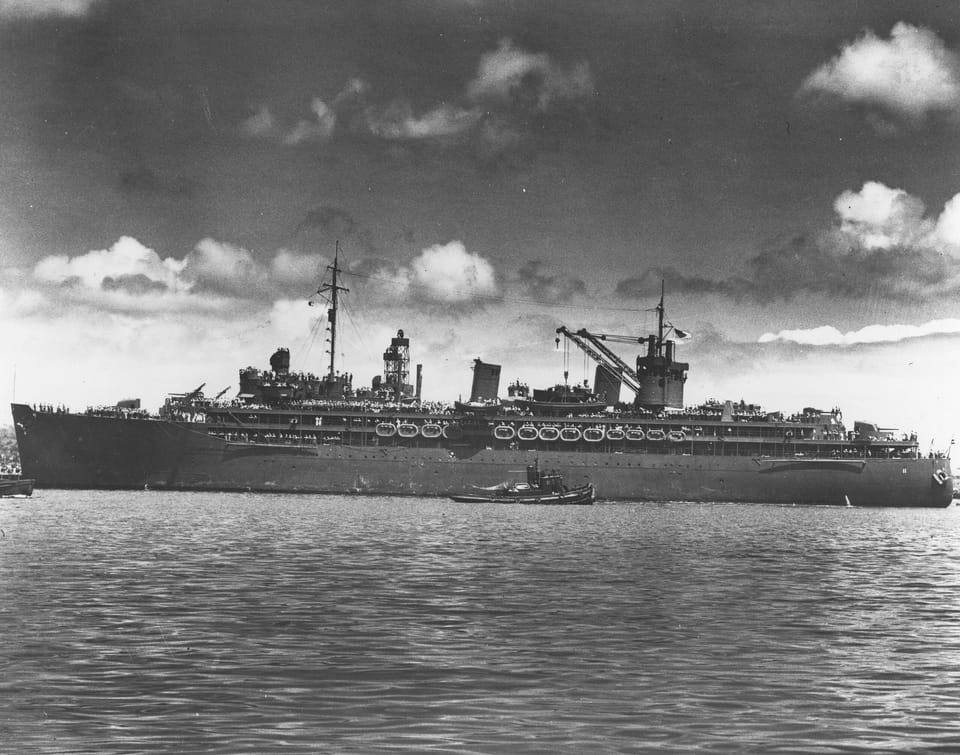
There was a submarine base in New London, and the Fulton was a "submarine tender." What that means is that subs pulled up alongside the Fulton, and we serviced them. We re-fueled them if they were conventional subs. We serviced nuclear subs also, but they did not use diesel fuel like the conventional subs. All the subs got food from our ship, weapons and personnel if they were being transferred onto the sub.
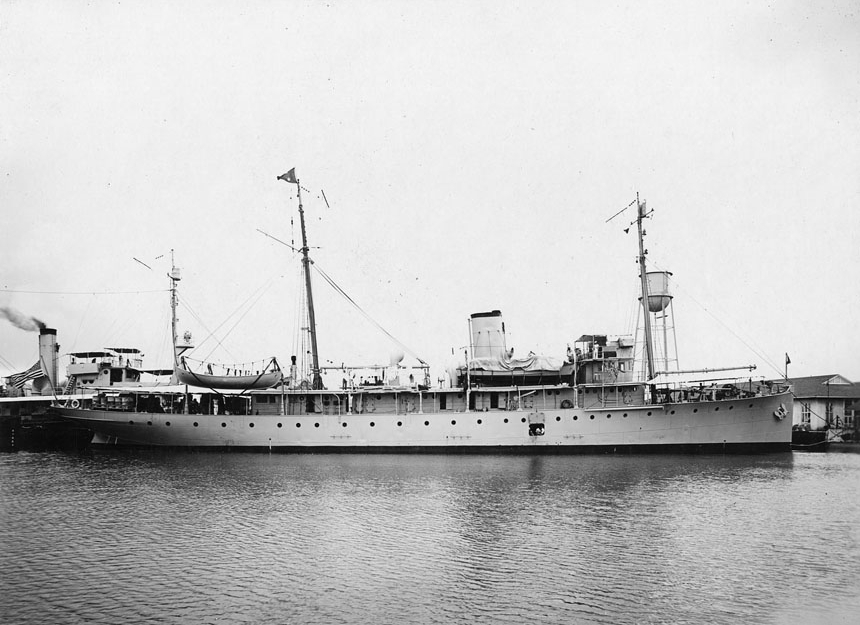
As part of the Weapons department, I assembled the weapons and tested them to make sure they performed properly.
I still get excited thinking about that job, even today, nearly 60 years later.
Finding "My Thing"
When I left Victoria for the Navy, I did not have a defined direction I wanted my life to go. Some people know at a very young age, they want to be a doctor, or a police officer, or a teacher. I did not have that until I started learning about Electronics in the Navy. It was something important, I had an affinity for learning new things in that field, and I was proud I was serving my country. Remember this was during the Viet Nam war and I was doing my duty, learning skills that would help me through the rest of my life.
Later in life, I used the skills I learned in the Navy to get my job at The Phone Company, and eventually dabbling in computers.
Quick note about computers...
In the Navy, there wasn’t much computerization while I was in. Everything was still hard copy. Do you know where the phrase “carbon copy" originated from? I do. When you wanted a copy of a document, you put together a sandwich of sheets. The front sheet was plain paper. The second sheet was carbon paper. (Carbon paper had a chemical like ink on one side and plain paper on the other side. You placed the carbon paper so that the ink would be transferred to the plain paper sheet underneath). You then rolled this sandwich into a typewriter and began writing your document. What you typed on the top sheet was transferred to the third sheet via the typewriter keys striking the carbon paper in the middle.
Back to computers. When I got out of the Navy, the Telephone company used ancient computers that used punch cards to program them. There was no memory per say. Later in my telco career ESS Electronic Switching Systems became the standard, and all the older switching systems were phased out.
I worked more and more with computers after I transferred to Texas. More about that later.
Life "In Port" vs. "At Sea"
We worked normal hours when we were in port, just like a 9-5 job on the beach. When we were at sea, in addition to our regular jobs, the weapons dept was assigned Helmsman watches. A watch is normally 4 hours on duty. Helmsmen steered the ship. We did not have autopilot like most ships do now.
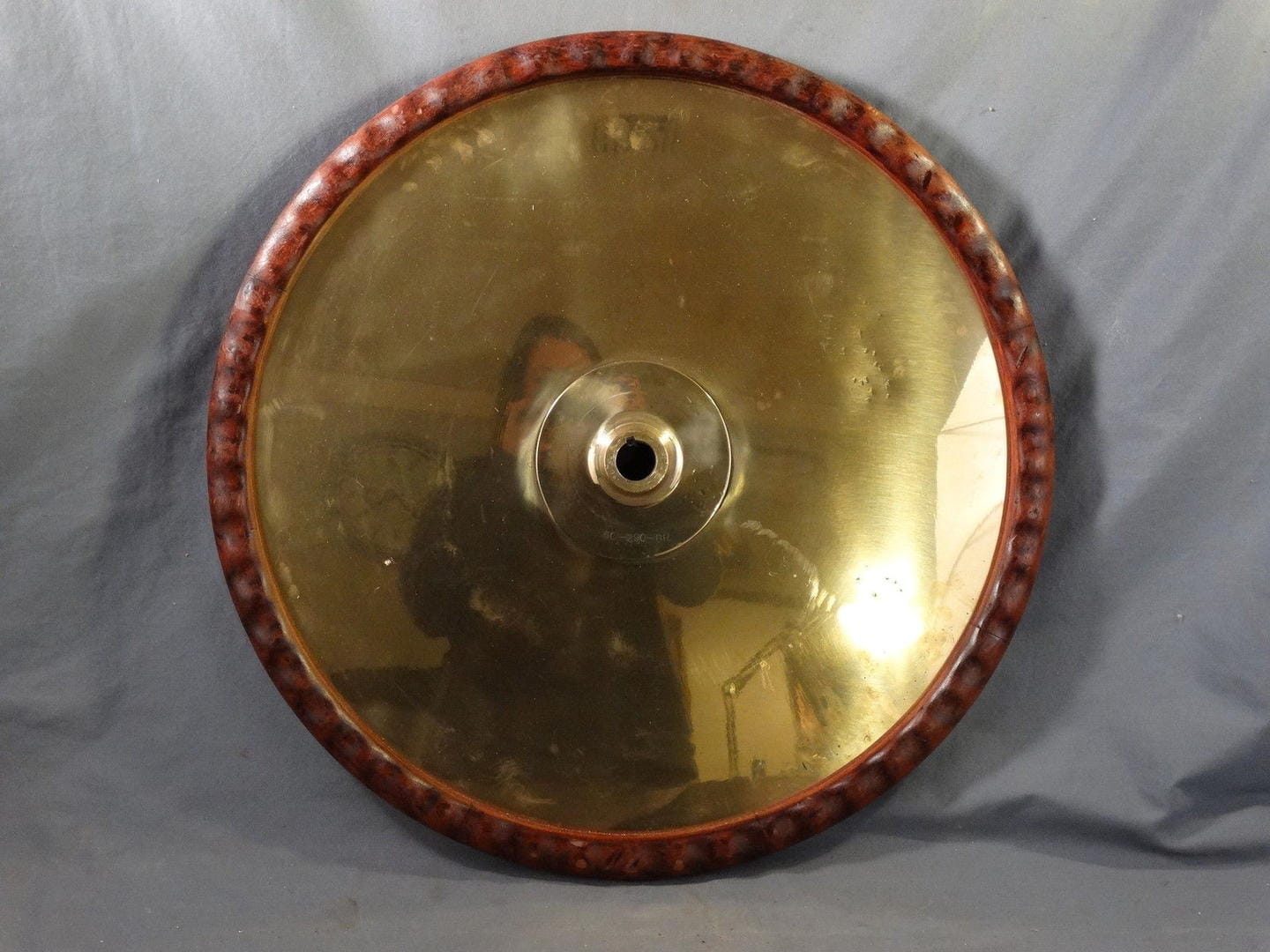
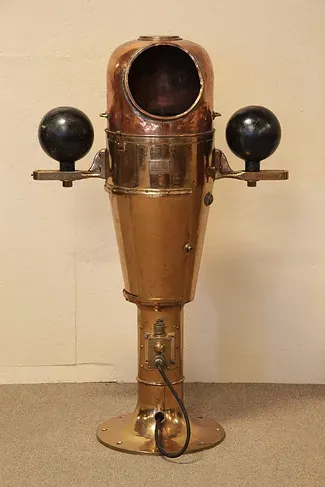
We had a big brass and wood wheel mounted behind a large compass in a brass housing. The OOD (Officer Of the Deck) would get navigation instructions from the navigators, and relay it to the helmsmen. Usually, it consisted of orders for course, and speed, and rapidity of getting to the new course. It went something like this. “Helmsman come right to course bearing 225. Make turns for 23 knots, 10 degrees right rudder”. Once you neared the course, 225 in this case, you had to swing the rudder back to neutral position to stop the turn. God forbid you should over run or come up short on the course. The OOD would chew your ass.
Also, while we were out to sea, we got to do weapons qualifying. That meant we got to fire and reload each type of weapon (small arms) we carried.
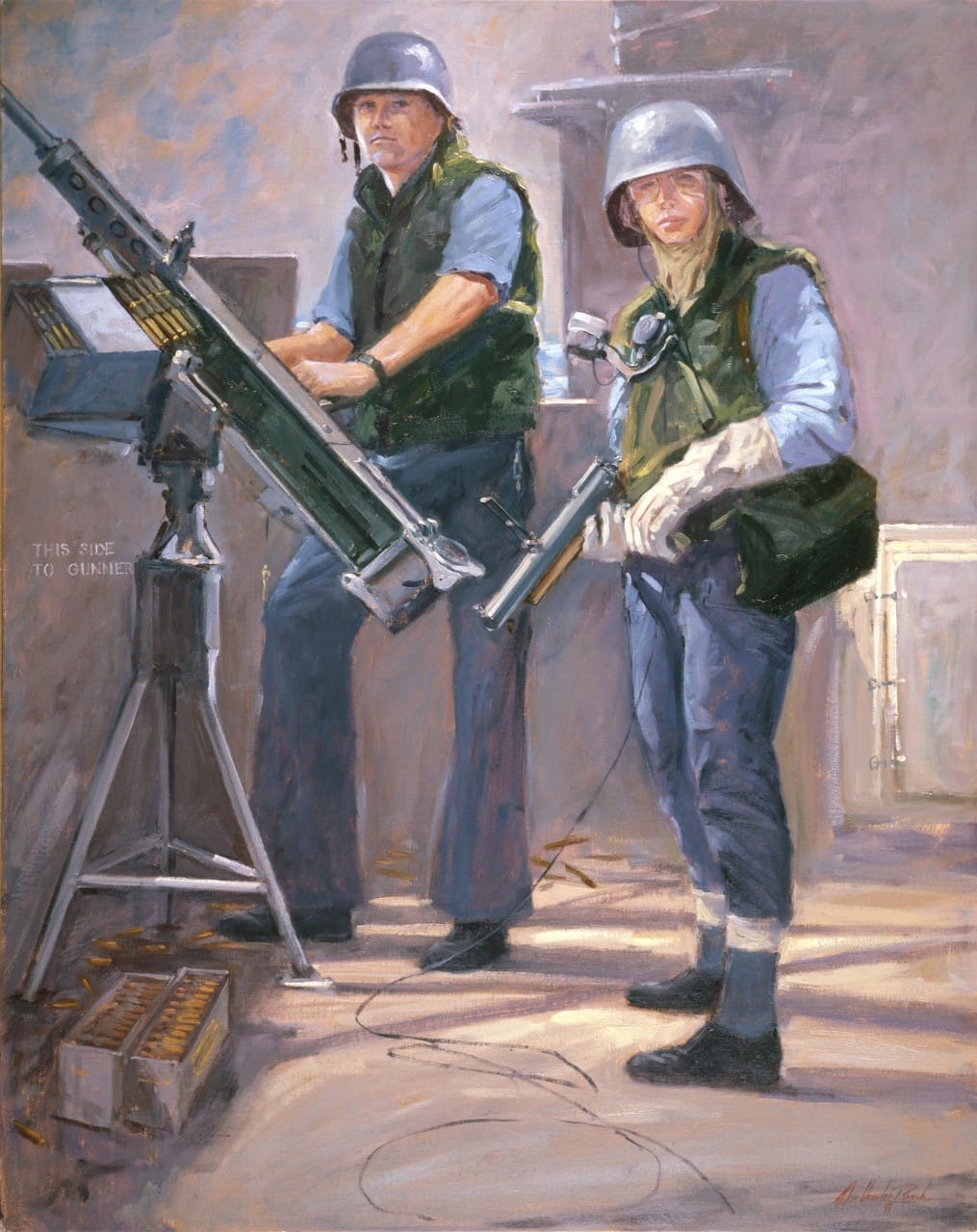
I got to fire .45 caliber automatic handgun, M1 Carbine, Thompson Machine gun, and Browning Automatic Rifle (BAR). We also had tripod mounted 30 caliber machine guns that were air cooled. It was a Fricking Blast.
I always looked forward to sea duty.
Member discussion